As AI continues to redefine digital interaction, ChatGPT has emerged as a pivotal touchpoint for brands looking to capture audience attention in the evolving search landscape. A deep dive into 17 months of clickstream data from Semrush (spanning October 2024 to February 2026) reveals three actionable strategies to help brands thrive in this AI-driven ecosystem.
ChatGPT: The New Brand Discovery Gateway
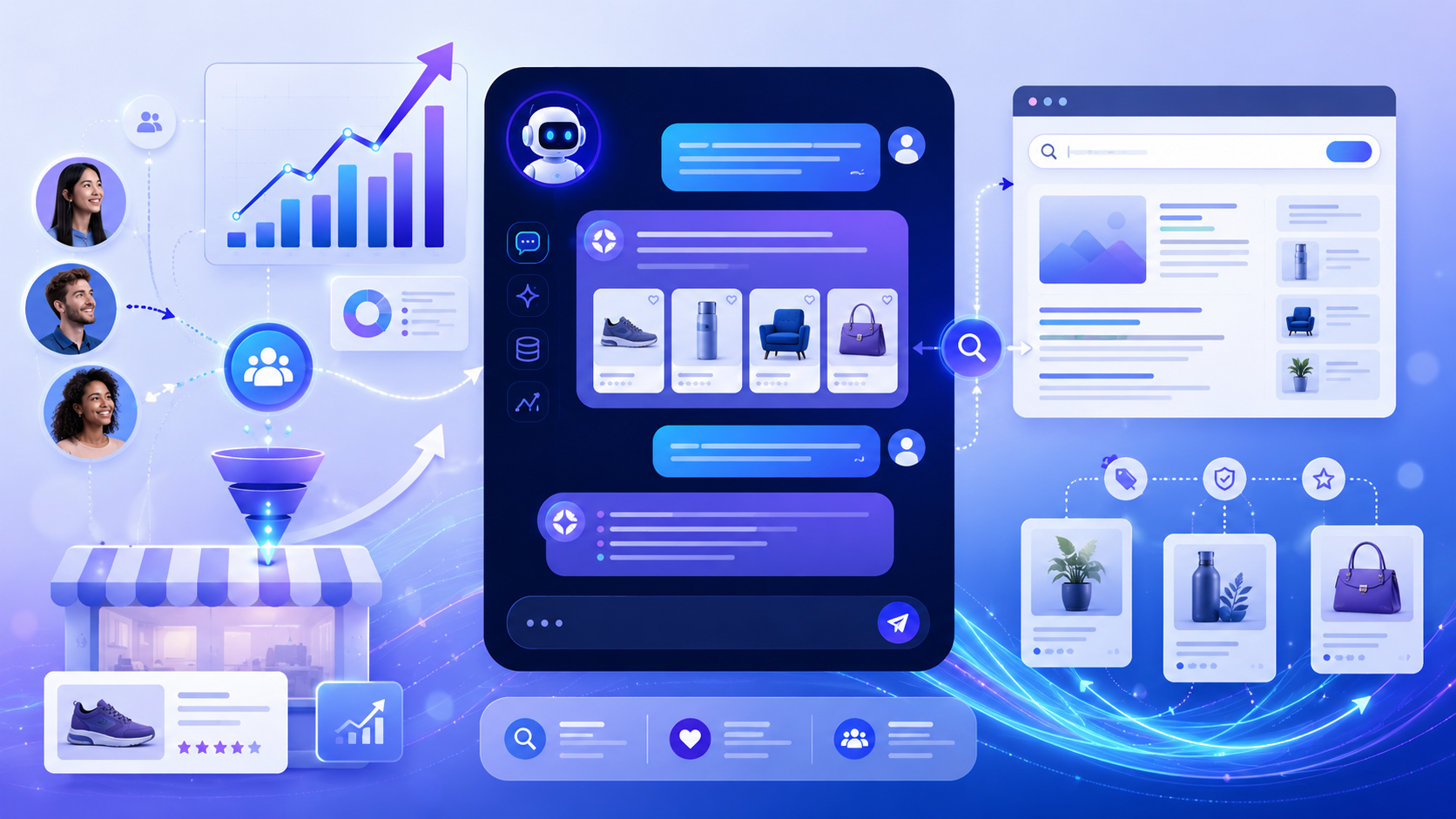
Gone are the days when traditional search engines were the sole entry points for brand discovery. By 2025, ChatGPT’s referral traffic skyrocketed by an astonishing 206%, signaling a seismic shift in how users stumble upon brands. For forward-thinking businesses, securing visibility within ChatGPT’s AI-generated responses is no longer optional—it’s a critical component of reaching audiences where they’re actively engaging.
AI and Traditional Search: A Symbiotic Partnership
Contrary to the narrative that AI search will replace traditional engines, the data paints a picture of symbiosis. As of early 2026, over 20% of ChatGPT’s traffic flows directly to Google, with users frequently turning to search engines to verify the preliminary answers provided by AI. This means brands must maintain consistency between their ChatGPT-facing content and organic search results, doubling down on solid SEO foundations to reinforce trust and credibility across platforms.
Optimize Content for ChatGPT’s Conversational, Context-Driven Scenario
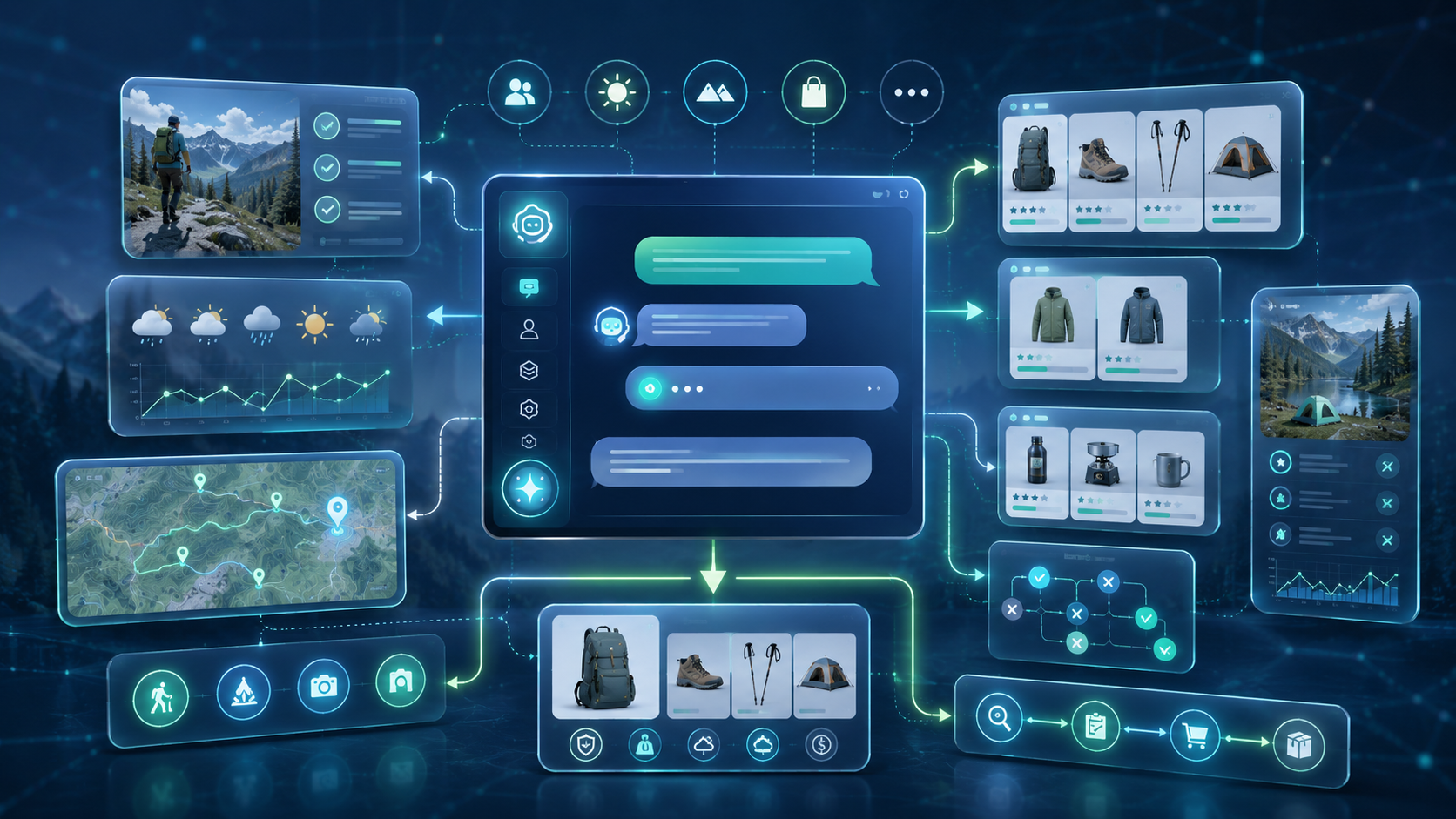
ChatGPT’s user experience is inherently conversational, and its prompt data reflects this. Between 65% and 85% of prompts are long-tail, scenario-based queries—think “best waterproof hiking boots for winter camping in the Rockies” instead of “waterproof hiking boots.” To resonate here, brands need to craft content that addresses these specific, context-rich needs, moving beyond generic keywords to deliver tailored, actionable solutions that fit seamlessly into natural dialogue.
The AI era demands a fresh approach to brand communication, and these three strategies—prioritizing ChatGPT visibility, aligning AI and search content, and optimizing for conversational queries—provide a roadmap to success. By adapting to the unique behaviors of AI-driven audiences, brands can not only capture new traffic but also build deeper, more meaningful connections with their customers.